
Summary
Editor's rating
Good jacket, high price – depends what you’re after
Retro look, practical layout, a bit short for some
Warm and cozy, but watch the length and heat buildup
Thick fleece, reinforced panels, no surprises
Built to take some abuse, at least from what I’ve seen
Warmth, breathability, and weather resistance in real use
What you actually get when you buy this Retro Denali
Pros
- Thick, warm fleece with reinforced panels that feel built to last
- Plenty of practical features: multiple zip pockets, underarm vents, adjustable hem, snap-in compatibility
- Comfortable regular fit with soft inner feel, good as both outer layer and mid-layer
Cons
- Price is high compared to other fleece jackets with similar warmth
- Hip-length cut can feel a bit short, especially if you like more lower-back coverage
- Water repellent only, not a replacement for a proper waterproof or windproof shell

Specifications
View full product page →| Brand | The North Face |
A classic fleece that’s still around for a reason
I’ve been wearing The North Face stuff on and off for years, and the Retro Denali is one of those jackets you see everywhere in outdoor shops and in the city. I grabbed the men’s Retro Denali Jacket in TNF Black, size L, to see if it was actually worth the price or just living off the old reputation from the 80s and 90s. I used it mainly for commuting, dog walks, and a couple of short hikes in cold, damp weather.
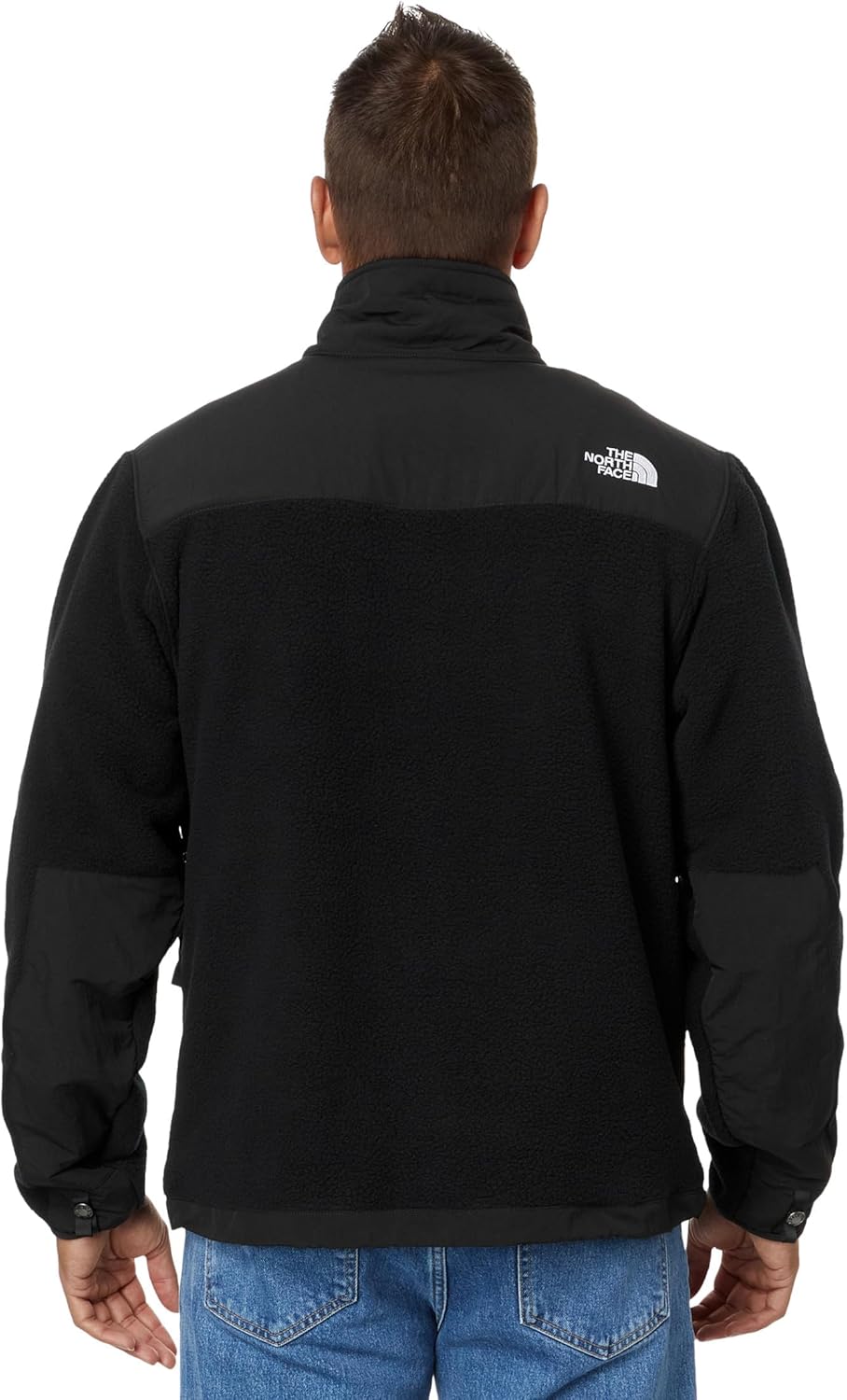
Right away, it feels like a proper mid-layer fleece, not a thin fashion piece. The jacket is listed as lightweight, but in the hand and on the body it feels more like a mid-weight fleece that’s been reinforced in all the right places. It’s not bulky like a puffer, but you can tell there’s some substance to it. The 27.5-inch length on the size L hits around the hip on me, so it’s not a long parka-style coat, more of a standard jacket length.
I used it between about 3°C and 10°C, mostly with just a t‑shirt or thin long-sleeve underneath. In that range, it handled things well as an outer layer, especially when it was dry or just lightly drizzling. On windier days or proper rain, you can feel its limits: it’s water repellent, not waterproof, and the wind protection is okay but not on the level of a softshell or hardshell. That matches the specs, but it’s worth being clear: this is a fleece first, not a rain jacket.
Overall, my first impression after a couple of weeks is that it’s a solid, warm, practical fleece that’s clearly built to last, but the price is on the high side. If you mainly want something cozy and tough for everyday cold weather, it does the job. If you’re hoping it will replace a proper winter coat or a shell, you’ll be a bit disappointed once the weather turns nasty.
Good jacket, high price – depends what you’re after
Let’s talk about money, because that’s where opinions on this jacket split. Even in the Amazon reviews, you see comments like “muy caro” – it’s expensive, no way around it. You’re paying for The North Face branding, the classic Retro Denali look, and the build quality. If you compare it to generic fleeces from supermarket brands or budget outdoor labels, it costs a lot more. Those cheaper options won’t feel as solid or last as long, but they’ll still keep you warm for a season or two.
Where the value starts to make more sense is if you’re actually going to use it a lot and for several years. The thick fleece, reinforced panels, and overall construction give the impression of a jacket that can handle daily use in autumn and winter without falling apart. If you’re the kind of person who wears the same jacket every day to commute, walk the dog, and go on weekend hikes, then spreading the cost over a few years makes it less painful. In that case, it’s pretty solid value, even if the upfront price stings.
On the other hand, if you just want something warm for occasional use, or you already own a good shell and a cheaper fleece, this might feel like overkill. It’s not doing any magic tricks: it’s warm, reasonably breathable, has a few nice features like vents and snap-in compatibility, but it’s not a miracle product. There are other fleeces out there that are cheaper and still good enough, especially if you don’t care about the retro design or the logo.
So in my opinion, the value is good but not outstanding. You’re paying a premium for durability, brand, and style. If those matter to you and you’ll wear it a lot, it’s worth considering. If you’re tight on budget or just need a basic layer, you can save money with other brands and still stay warm. Personally, I’d say it’s fairly priced for a North Face classic, but I wouldn’t call it a bargain at all.
Retro look, practical layout, a bit short for some
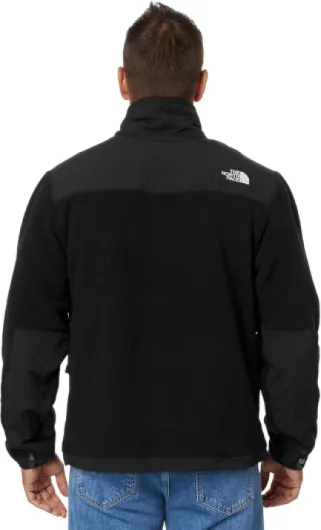
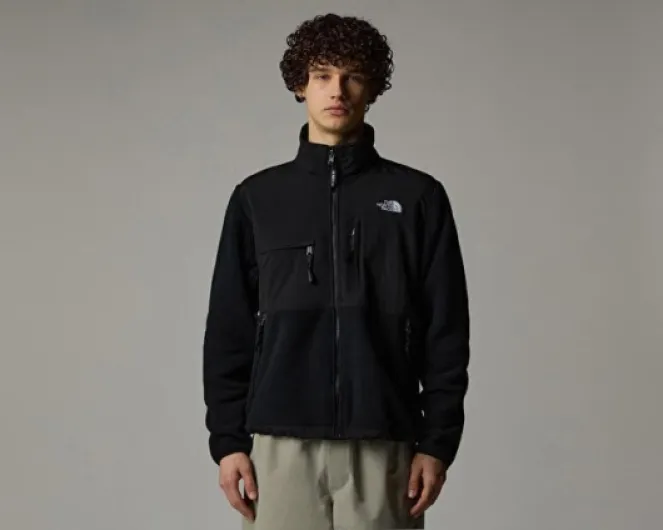
Design-wise, this is very clearly a Retro Denali. If you’ve seen older Denali jackets, you’ll recognize the cut and the paneling right away. The TNF Black color is simple: mostly black fleece with reinforced black panels, so it’s low-key and easy to wear with anything. No huge flashy details, just the small The North Face logo and the typical chest panel. If you like the old-school climber vibe without loud colors, this version works well.
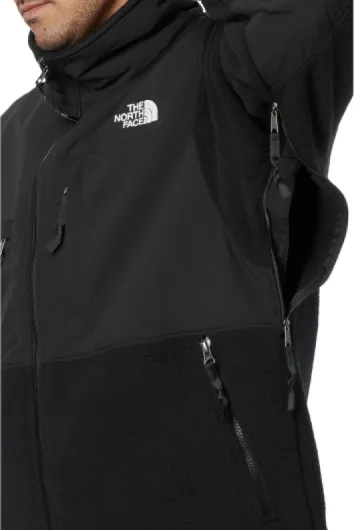
The layout is pretty practical. You get two zippered hand pockets and two zippered chest pockets (though some listings say three pockets total, in hand it feels like more). Either way, there’s enough storage for phone, wallet, keys, and even a small beanie or gloves. The zippers feel solid and don’t snag easily. The underarm ventilation zips are a nice touch: I used them a couple of times on uphill walks, and they help dump heat without having to open the whole front of the jacket. It’s not a feature you see on every fleece, so that’s a plus.
The cut is regular fit, but it’s not super long. On me, the size L hits just at the hip. One of the Amazon reviews mentions it being a bit too short, and I kind of get that. If you’re tall or just used to slightly longer jackets that cover more of your backside, this will feel on the shorter side. The sleeves, on the other hand, are fine – long enough, with elastic cuffs that keep the wind out reasonably well. The hem is adjustable, so you can cinch it a bit to stop drafts from coming in from below.
Overall, the design is practical and very recognizable, but not perfect. It looks good in a simple, outdoorsy way, and it has enough pockets and vents to be useful. The downside is the length: if you’re looking for a coat-style piece that protects more from wind at the lower back, this isn’t it. It’s more of a classic hip-length fleece jacket, and you need to be okay with that cut before you buy.
Warm and cozy, but watch the length and heat buildup
In terms of comfort, the Retro Denali does pretty well. The inside is soft, and you can wear it over just a t‑shirt without any rubbing or itching. The regular fit gives you enough room to move your arms freely, and I never felt restricted in the shoulders or elbows, even when reaching up or bending down. If anything, it’s slightly roomy, which is what you want in a fleece that might be layered under a shell.
Warmth-wise, it’s definitely on the warm side for a fleece. On a 5°C morning with a bit of wind, wearing just a long-sleeve base layer underneath, I was comfortable walking the dog for 30–40 minutes. When I picked up the pace or went uphill on a short hike, I actually started to overheat a bit and needed to open the front zip or use the underarm zips. So if you run warm or plan to be very active, this can feel too hot unless the weather is properly cold.
The collar is another comfort point. It’s lined and stands up well, so it protects your neck from the wind without feeling scratchy. When fully zipped, it doesn’t choke or dig into the chin. The cuffs are elastic and stay in place without cutting into your wrists. I wore it over a watch without issues. The hem drawcord lets you tighten the bottom a bit, which helps keep warmth in, but if you cinch it too much, the already standard length can feel even shorter because it rides up slightly when you move.
The only real comfort downside for me is the overall length. Like one of the Amazon reviewers said, it feels a bit short compared to some other jackets I own. When you bend over or sit down, your lower back can be a bit exposed to drafts. It’s not dramatic, but if you’re sensitive to that or you just like longer jackets, it’s noticeable. So comfort is good in terms of softness and warmth, but you need to be okay with a hip-length cut that doesn’t give you parka-level coverage.
Thick fleece, reinforced panels, no surprises
The jacket is made mostly from 100% polyester fleece, with extra fabric panels in key wear areas: collar, chest, back yoke, and lower back of the sleeves. The lining is 100% recycled polyester. In hand, the fleece feels thick and dense, not the thin fluffy stuff you get on cheap fleeces that pills in two weeks. It’s closer to what you’d expect from an old-school technical fleece: a bit heavier, but more durable and warmer.
The reinforced panels are there for a reason. Those are the zones that usually get worn out first – backpack straps on the shoulders and chest, friction around the elbows and sleeves, and rubbing at the back. On this jacket, those areas use a tougher fabric that feels more like a woven nylon or similar. It doesn’t feel stiff, but you can tell it’s more abrasion-resistant than the plain fleece. This is good if you carry a backpack a lot or lean on things (walls, rocks, car trunks, whatever) and don’t want the fleece to fuzz up after a month.
One small thing I noticed: the fleece is pill-resistant, and after a couple of weeks of daily use, I didn’t see much pilling at all, even under backpack straps. That’s in line with what the product description claims. Obviously, I can’t speak for years of use, but at least in the short term, it holds up better than cheaper fleeces I’ve owned. The inside also feels fine against bare arms – not itchy, not plasticky.
On the downside, this is still polyester, so it’s not the most breathable or natural-feeling material when you really start sweating. That’s where the underarm vents help, but if you expect it to breathe like a thin merino layer, you’ll be disappointed. Also, for the price, some people might expect a mix of materials or something fancier, but in practice, the materials feel solid and built more for durability and warmth than for luxury. No nonsense, no fancy gimmicks, just thick fleece and tough panels that should survive regular abuse.
Built to take some abuse, at least from what I’ve seen
Durability is one of the main reasons people pay extra for The North Face, and with this Retro Denali, you can see they’ve thought about it. The reinforced panels on the chest, collar, back yoke, and lower arms are there to take the brunt of friction and wear. I wore a backpack most days with this jacket, and after a couple of weeks, there were no visible signs of wear on the shoulders or chest – no fuzzing, no pilling, no weird shiny spots.
The fleece itself is described as pill-resistant, and so far that’s been true. On cheaper fleeces I’ve had, you start to see little balls forming on the sleeves and sides after just a few days of use. Here, the surface still looks clean and even. Of course, I can’t claim to know how it will look after a full winter or a few years, but the first signs are positive. The stitching also looks consistent, with no loose threads or seams pulling apart, even around the pockets and cuffs.
The zippers feel solid as well. They’re not ultra-thin fashion zips; they have a bit of heft and run smoothly. I didn’t have any snagging issues, even with the underarm zips, which sometimes can be annoying on other jackets. The elastic cuffs haven’t stretched out or gone limp, and the hem drawcord still snaps back nicely after being tightened a few times. The fact that it’s machine washable is also a plus – you don’t have to baby it, just don’t throw it in on super high heat or with a rough load.
Basically, it feels like a jacket you can wear hard without worrying too much. Commuting, travel, light hikes, sitting on rough surfaces, using it under a backpack – it seems built to handle that. The only real unknown is long-term wear on the fleece after many washes, but given the brand’s track record and the initial feel, I’d expect it to last longer than cheaper alternatives. Whether that lifespan justifies the price is another question, but in terms of construction and materials, it doesn’t feel fragile at all.
Warmth, breathability, and weather resistance in real use
Performance-wise, I mainly looked at three things: warmth, breathability, and weather resistance. For warmth, this jacket does its job. In cold autumn conditions (around 3–10°C, light wind), it’s more than enough as an outer layer if you’re just walking around town or doing light activity. On a windy day around 0–2°C, I wore it under a shell, and that combo was perfectly fine. So as a mid-layer or a standalone in mild cold, it works well.
Breathability is decent but not perfect. It’s still a thick polyester fleece with reinforced panels, so it traps heat quite well. On a hike with some elevation, I started to sweat, especially with a backpack on. That’s where the underarm zips are actually useful. Open them and crack the front zip a bit, and you can manage the heat. Without those vents, it would feel like a sauna pretty quickly. So for medium-intensity activity, it’s okay if you use the vents. For high-intensity stuff like trail running, this is too much jacket.
Weather resistance is exactly what it says on the tin: water repellent, not waterproof. Light drizzle beads up and rolls off the reinforced panels and the fleece for a while, and the jacket doesn’t soak through immediately. But in real rain, you have maybe 10–15 minutes before things start getting damp, especially on the arms and shoulders. The wind resistance is fair – better than plain fleece thanks to the panels, but wind still gets through more than on a proper softshell or hardshell. So it’s fine for cold, dry conditions or short exposure to light rain, but you’ll want a shell on top for real bad weather.
One last point: the snap-in compatibility with a GORE-TEX Mountain Jacket can be a big plus if you already own that shell or plan to buy it. You can turn this fleece into a warm liner for a fully waterproof outer jacket. If you don’t have that shell, the snaps are just small tabs you don’t really notice. Overall, performance is solid for a fleece: warm, reasonably breathable with vents, and okay in light weather. Just don’t expect it to replace a proper technical shell in rough conditions.
What you actually get when you buy this Retro Denali
This version is the men’s Retro Denali Jacket, size L, in TNF Black, sold as a single jacket (no weird multi-pack nonsense despite the ‘pack of 1’ phrasing). It’s a regular fit, long-sleeve fleece jacket with a full front zipper, a band-style collar, and a pretty classic North Face look. Officially, it’s classed as a fleece jacket with some water-repellent properties and snap-in compatibility with a GORE-TEX Mountain Jacket from the brand.
On paper, the specs say 100% polyester fleece with some reinforced fabric at the collar, chest, back yoke, and lower back of the sleeves for durability. It weighs about 25 ounces (so roughly 700 g), which tracks with how it feels in hand: not featherlight, but not heavy either. The lining is made from 100% recycled polyester, which is nice from an eco perspective, but what matters more in daily use is that it doesn’t feel scratchy or cheap. It doesn’t. It feels like a typical North Face mid-range to high-range piece.
In terms of features, you get multiple zippered pockets, underarm ventilation zips, elastic cuffs with tabs (for snapping into a compatible GTX Mountain Jacket), and an adjustable hem. The water resistance is listed as “water repellent,” which basically means it will shrug off light drizzle or a short shower but it’s not a shell. The jacket length is standard, around 27.5 inches from shoulder to bottom hem in this size. That matches how it sits on the body: it covers the waist and a bit of the hip, but it’s not covering your backside.
The Amazon rating hovers around 4.7/5 with only a handful of reviews so far. People mention it’s warm, comfortable, and well-equipped with pockets, but also that it’s expensive and a bit short in length for some. That lines up with my experience: good fleece, premium price, standard length that might feel short if you like extra coverage. Nothing about the presentation feels misleading, but don’t expect a winter parka – it’s a fleece jacket with a few upgrades, not a full-on coat.
Pros
- Thick, warm fleece with reinforced panels that feel built to last
- Plenty of practical features: multiple zip pockets, underarm vents, adjustable hem, snap-in compatibility
- Comfortable regular fit with soft inner feel, good as both outer layer and mid-layer
Cons
- Price is high compared to other fleece jackets with similar warmth
- Hip-length cut can feel a bit short, especially if you like more lower-back coverage
- Water repellent only, not a replacement for a proper waterproof or windproof shell
Conclusion
Editor's rating
After wearing the The North Face Men’s Retro Denali Jacket in TNF Black for a while, my take is pretty straightforward: it’s a well-built, warm, practical fleece that costs a bit more than I’d like, but it does its job very well. The thick fleece and reinforced panels make it feel tougher and warmer than your average fleece, and the underarm vents, multiple zip pockets, and adjustable hem are genuinely useful, not just for show. Comfort is good, as long as you’re fine with a hip-length cut and don’t expect it to breathe like a thin technical layer.
It’s best suited for people who want one reliable jacket for cold, mostly dry days – commuting, casual wear, light hikes, and travel. If you already have or plan to buy a compatible GORE-TEX shell, it gets even more interesting because it can double as a warm liner. On the flip side, if you’re looking for a long coat that covers more of your legs, or you need something truly waterproof and windproof, this won’t replace a proper winter parka or a serious shell. And if you’re on a tight budget or don’t care about the brand and retro look, you can find cheaper fleeces that will still keep you warm.
So, is it worth it? For someone who likes the classic Denali style, wants solid durability, and will wear it a lot, yes, it’s a solid buy. For occasional use or if you’re very price-sensitive, I’d say look at more affordable options first. It’s a good jacket, just not a miracle – it gets the job done, looks clean, and should last, but you definitely pay the brand tax.